

Facial Analysis for Low Energy and Iron Clues
Posted on April 7th, 2026
Across the United States, questions about low energy and nutrient balance are becoming more common, and part of that conversation reaches back far beyond modern wellness trends. Records tied to mineral levels in agricultural soil and plant-based foods have been discussed for generations, with growing concern around how depleted soil may affect the nutrient quality of the food people eat every day.
Facial Analysis and Possible Iron-Related Patterns
Facial analysis is best viewed as an observational wellness service, not a medical test. It does not diagnose iron deficiency, confirm a health condition, or replace lab work and physician care. What it may do is provide supportive insight into visible patterns that are sometimes associated with nutrient imbalance, low vitality, and ongoing fatigue. For people who have been feeling run down, that kind of review can offer a more thoughtful starting point.
Some commonly observed facial signs that may be associated with low iron status or low vitality include:
- Paler-looking cheeks or a less vibrant complexion
- Lips that appear lighter than usual
- Under-eye darkness paired with a tired appearance
- Dry-looking skin around the mouth or nose
- A dull facial tone that seems slow to improve
These observations matter most when they are paired with the person’s overall experience. Someone who feels constantly drained, struggles with focus, or notices a lasting lack of color in the face may want a wellness review that looks at the bigger picture. Signs of iron deficiency in the face should always be discussed in suggestive terms, since many different factors may contribute to similar changes in appearance.
How Facial Analysis May Reflect Nutrient Deficiencies
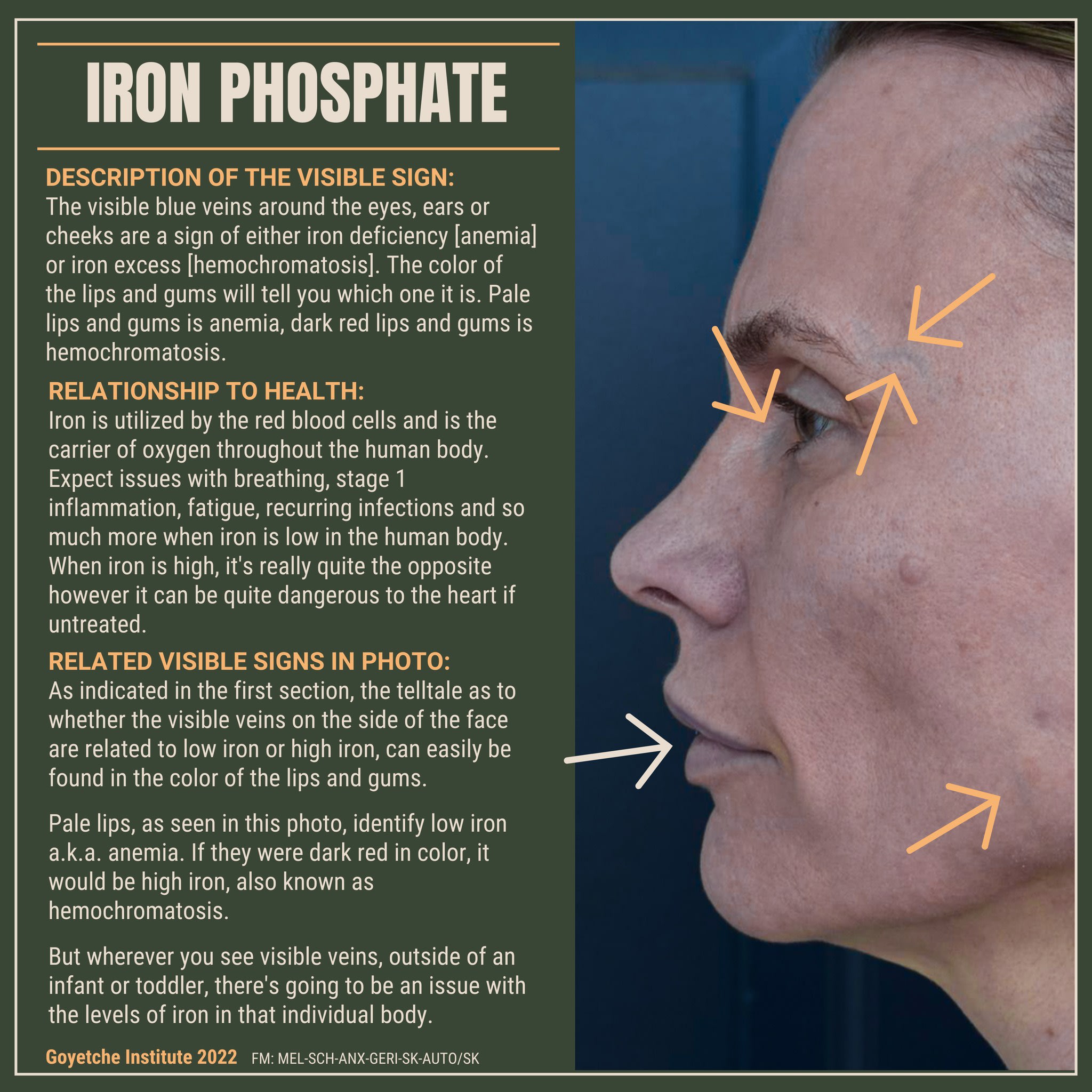
A facial review may offer supportive insight in several ways:
- It may highlight visible changes that have become easy to overlook
- It may connect facial tone with the person’s energy complaints
- It may provide a more personal wellness snapshot
- It may help someone decide which questions to bring into a broader care plan
- It may support awareness of patterns linked to fatigue and nutrient status
For many people, that first layer of insight is valuable on its own. They may not be looking for a dramatic answer. They may simply want a better sense of what their face could be reflecting, especially if they have noticed ongoing fatigue, weakness, or a pale appearance. In that setting, facial analysis becomes less about appearance alone and more about observing patterns that may support personal wellness decisions.
Signs of Iron Deficiency in the Face and Fatigue
People often search for signs of iron deficiency in the face because they want to know if a tired look could mean something more than poor sleep. While facial changes cannot confirm low iron, some features are commonly associated with fatigue and reduced vitality. A face that appears unusually pale, flat in tone, or consistently worn down may prompt someone to look more closely at their overall wellness.
Other facial features that people commonly connect with fatigue and possible low nutrient status include:
- A washed-out skin tone that seems persistent
- Dark or shadowed under-eye areas
- Lips that appear less pink or healthy-looking
- Skin that seems dry, fragile, or slower to bounce back
- A tired facial expression that stays throughout the day
The presence of these signs does not mean a person has iron deficiency. They are better described as patterns that may be associated with low energy or possible imbalances. That distinction matters. FDA-compliant wellness language should remain observational and supportive, not diagnostic.
Natural Support for Low Energy and Iron Levels
When people begin looking into natural support for low energy and iron levels, they are usually hoping for practical ways to feel more steady and less depleted. Support can look different from person to person, and a facial analysis does not tell someone exactly what to do. It may, however, provide insight into possible imbalances that can be explored further through nutrition, lifestyle review, and medical care when appropriate.
Areas that may support better energy and nutrient awareness include:
- Meals that include iron-rich foods like lentils, leafy greens, red meat, or seeds
- Vitamin C-rich foods that may support iron absorption
- More consistent meal timing across the day
- Attention to digestion if bloating or discomfort is common
- Sleep habits and stress patterns that may affect recovery
These are not medical treatments, and they are not a substitute for testing or physician advice. They are supportive areas to consider when someone feels consistently low on energy and wants to look at the full picture. Holistic ways to identify nutrient imbalances often begin with noticing patterns, then deciding which parts of daily life may need closer care.
A Wellness-Focused Look at Facial Analysis
One reason facial analysis appeals to so many people is that it feels personal and approachable. It does not rely on a generic list of symptoms. Instead, it looks at the visible patterns showing up in your own face at this point in time. For people who have been feeling off but have struggled to describe it, that can be a meaningful first step.
It also offers a wellness-centered way to reflect on what the body may be communicating. The face can show signs associated with fatigue, stress, and nutritional depletion long before someone has put those changes into words. A supportive facial review may help identify patterns associated with those concerns and make it easier to think through next steps.
This kind of service may be especially appealing for people who:
- Feel tired more often than they used to
- Notice changes in facial color or brightness
- Want a non-invasive wellness service
- Are curious about visible signs tied to nutrient balance
- Prefer an observational approach before making broader decisions
For those interested in a more personal review, Orthomolecular Facial Analysis may provide supportive insight into patterns associated with low energy and nutrient imbalance. It is available in person or through a simple photo submission, which makes it easier for people to begin from wherever they are.
A service like this should always be framed properly. It does not diagnose iron deficiency, treat fatigue, or replace physician evaluation. It may support your understanding of the visible patterns that appear alongside low energy and may help you ask more informed questions about your overall wellness.
Related: Rejuvenate Your Skin With Exosome Serum and PRF Therapy.
Conclusion
Low energy, pale skin, and a tired appearance can be linked with many different factors, and the face may sometimes reflect patterns associated with nutrient imbalance in ways people do not notice right away. When viewed through a supportive wellness lens, facial analysis may provide insight into those visible changes and help people pay closer attention to signs that deserve further thought. Used appropriately, it remains an observational service that may support awareness, not a diagnostic tool or a replacement for medical care.
At Ashbrook Holistic Wellness, we believe wellness support should feel personal, thoughtful, and easy to access. Schedule your Orthomolecular Facial Analysis today—in person or through a simple photo submission. Receive personalized insights that may help you better understand your energy levels. To learn more or book your session, call (501) 762-1123 or email [email protected].
Send a Message
Contact Us
Give us a call
(501) 762-1123Send us an email
[email protected]